Last February of 2023, I was finally able to go back to Mt. Purgatory, which was the first mountain I climbed in the Cordillera Region back in 2018, and which I consider to be a personal favorite. For this hike, I was with my college classmate and close personal friend JM, who was also with me during my first Mt. Purgatory hike. We were also with Leniva, JM’s significant other, and Jay, a close acquaintance in the hiking community. We were part of an organized tour led by Jomar Juuno.
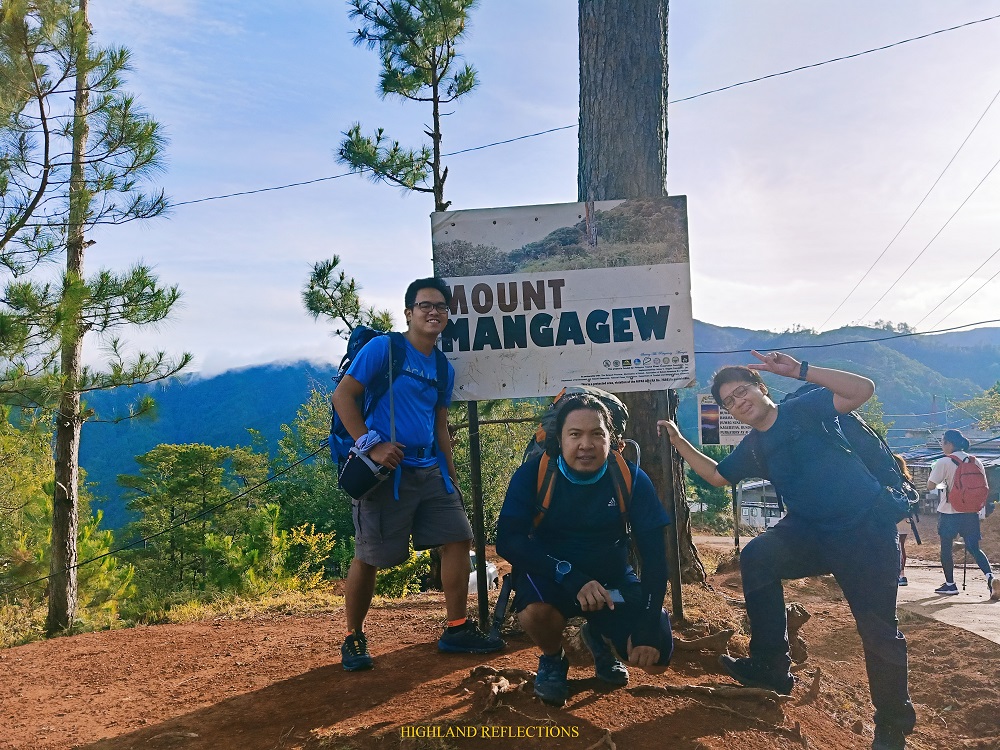
My primary goal for returning to Purgatory, was of course, reliving what the mountain could offer. Additionally, I wanted to orient myself with the different Cordillera Mountains that could be spotted from Mt. Purgatory.
This short blog narrates and details what I spotted in Purgatory.
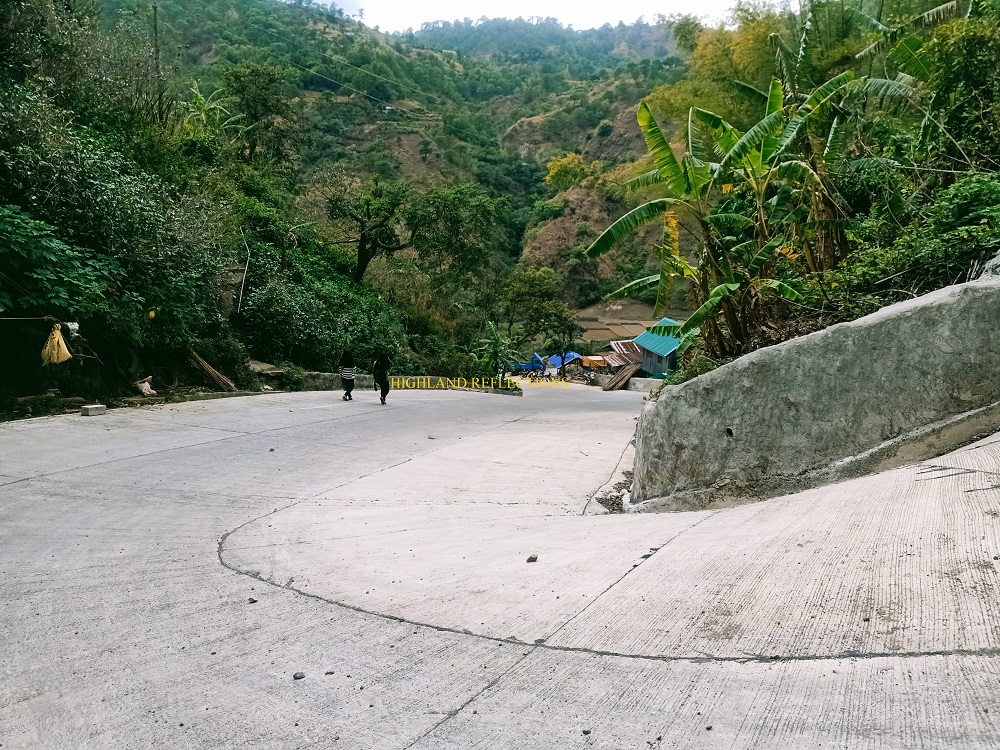
We started the hike at 7 in the morning, way earlier than our 9am start during my first hike. The initial parts were quite challenging but manageable as we were graced by the immaculate sight of pine trees. We exited towards a paved road which used to be uncemented during our hike in 2018. There, a commanding view of Mt. Timbak, Luzon’s third highest summit and the country’s 9th, already greeted us on the western portion.

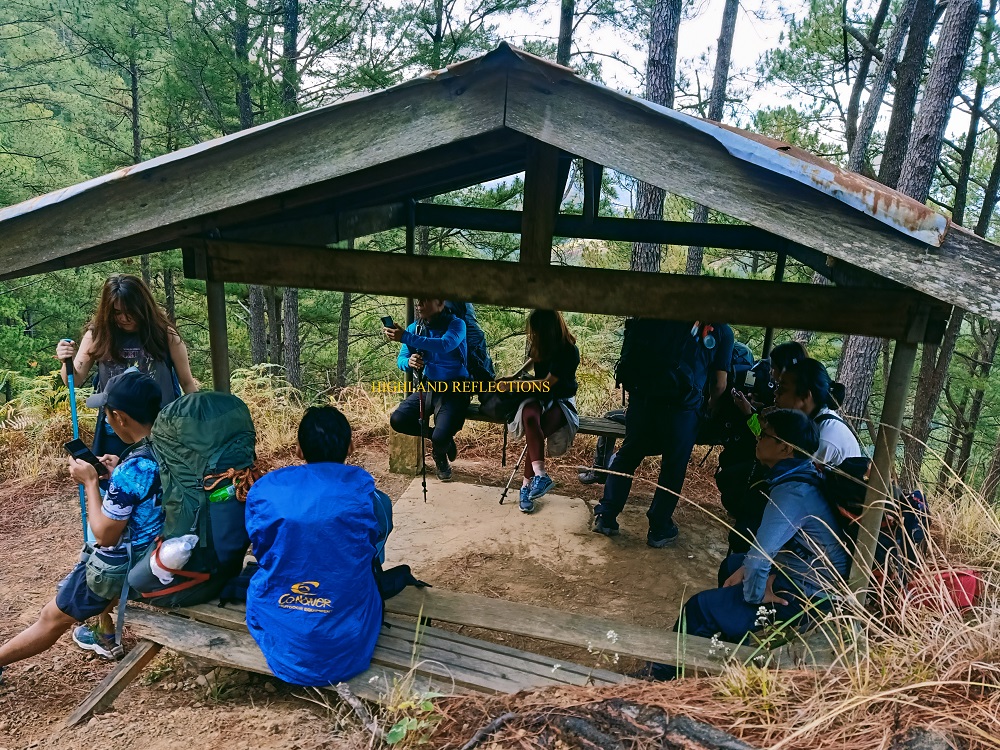
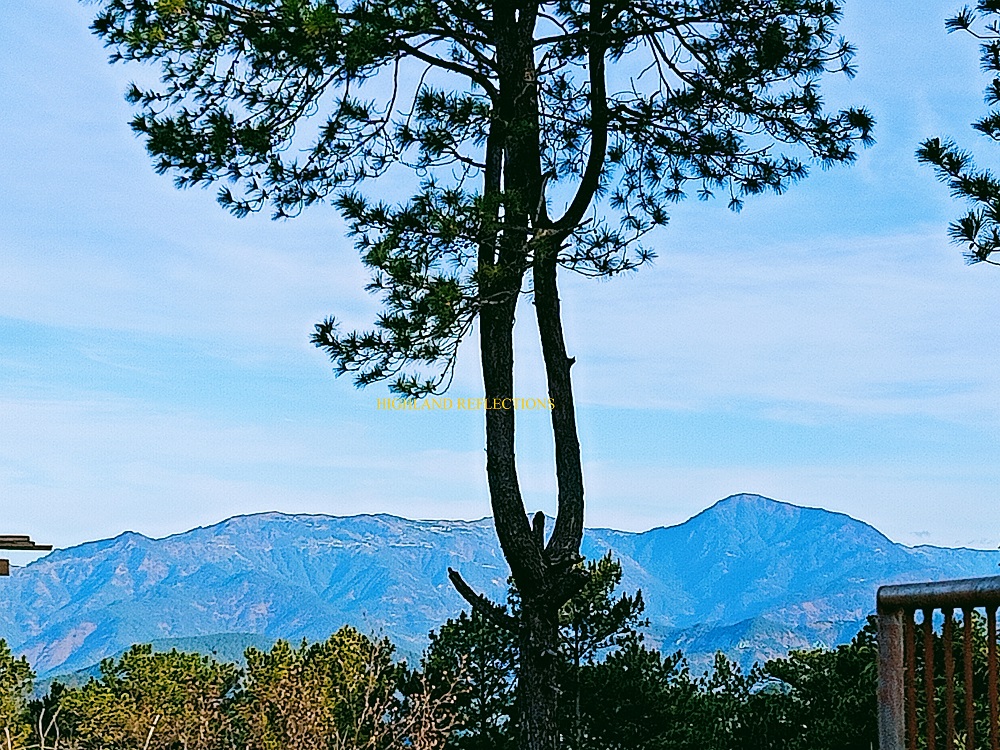
As we advanced to the first peak, Mt. Mangagew, the entirety of Mt. Purgatory Range showcased her beauty in full bloom in front of us. The highest peak in the range, named Mt. Pack in honor of former Mountain Province governor William Pack, finally revealed herself in full view. The Purgatory ridgeline, as well as the villages of Bakian and Tangbao can be seen on the left of Mt. Pack. Mt. Komkompol, the highest and 6th and final peak, seemed to hide at the back of the mountain range.


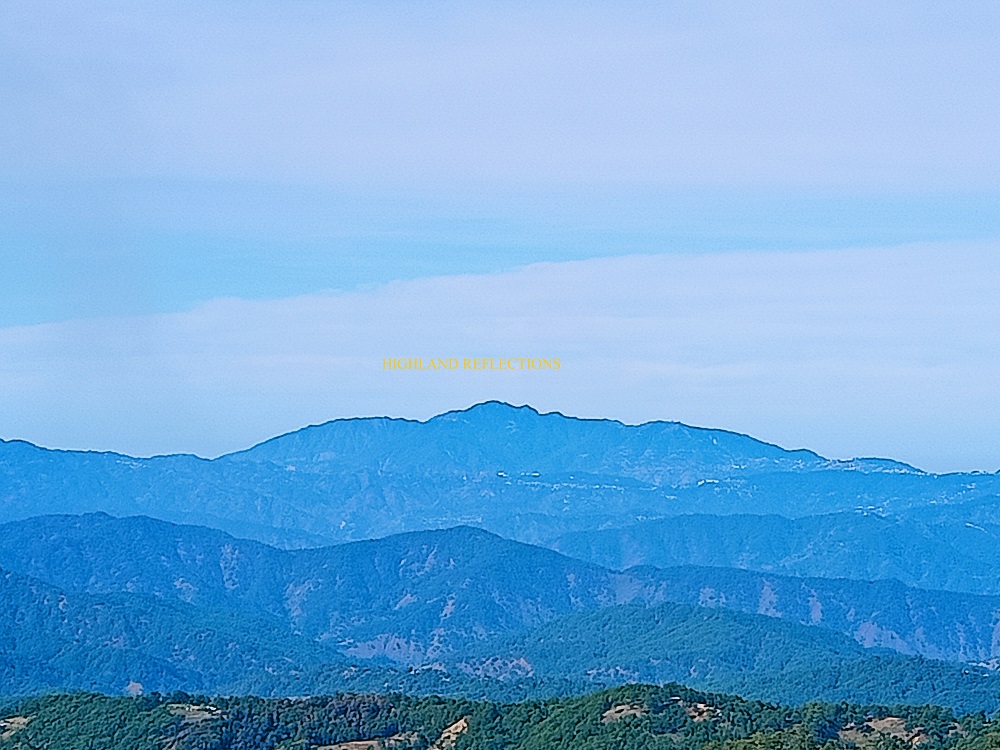
On the way to Bangtinen Village, we were fetched by a vegetable delivery truck, which brought us to the entrance to the mossy forest in no time. There, I had an awesome view of the southern Cordillera mountains, where I spotted Mt. Ugo, the Mt. Ulap-Philex Ridgeline (which had a humongous erosion at its slopes), and Mt. Santo Tomas in Tuba.


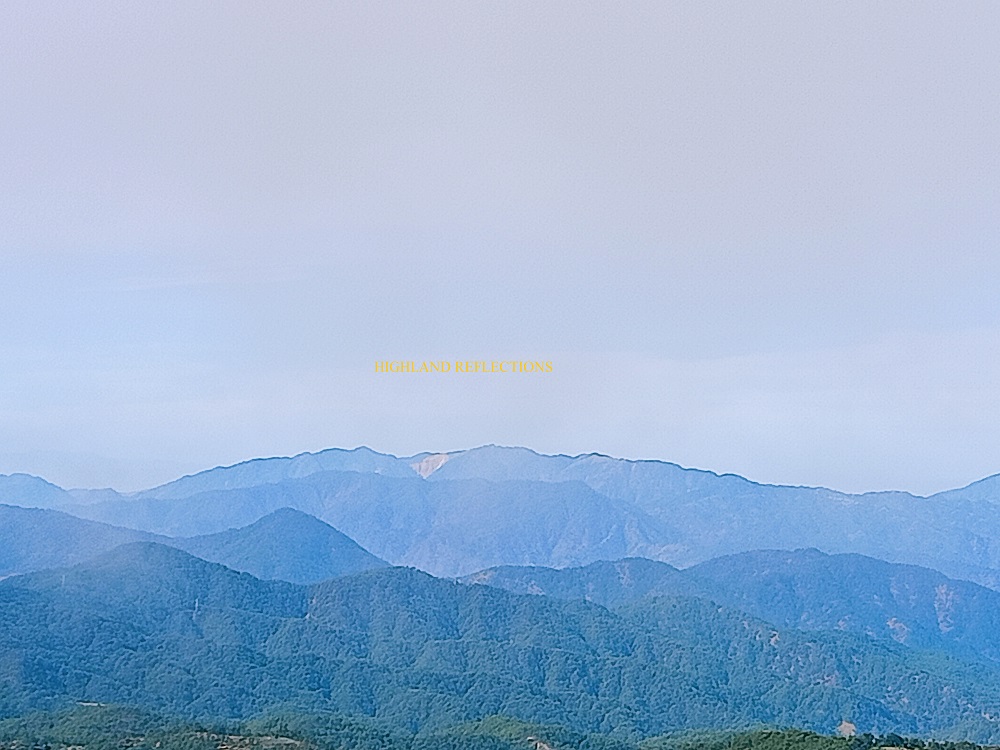
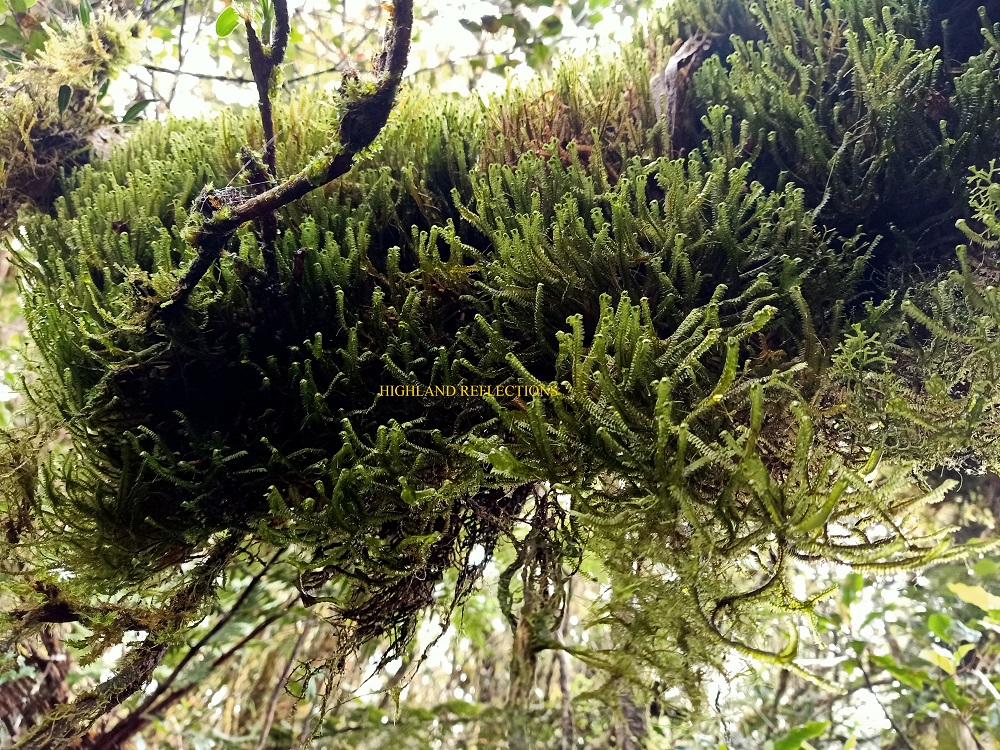
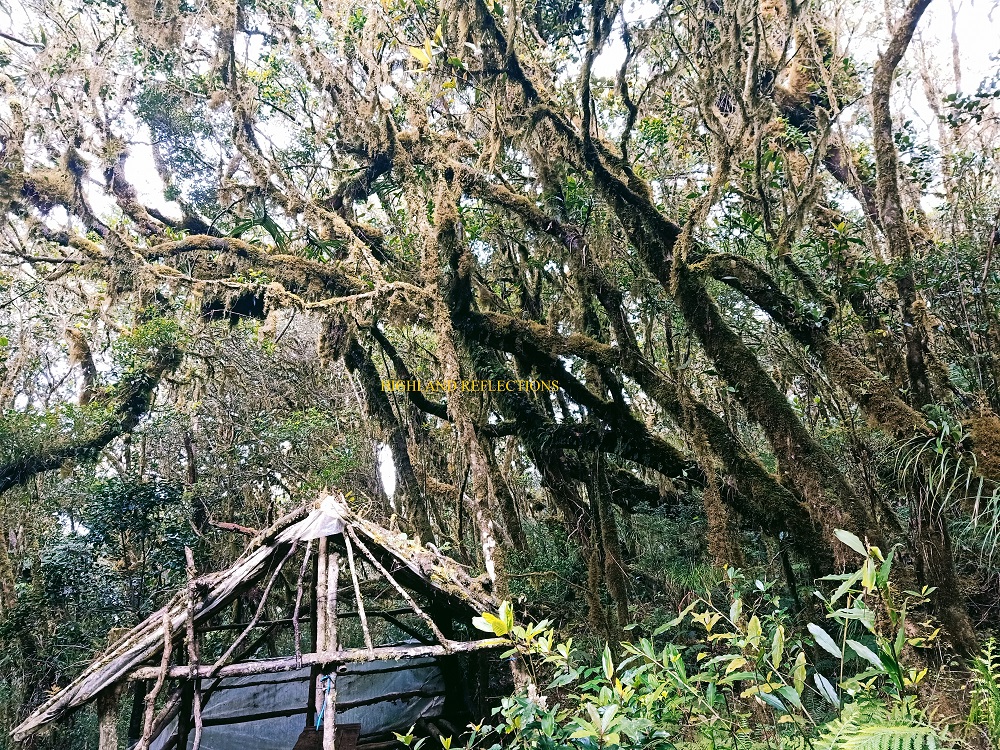
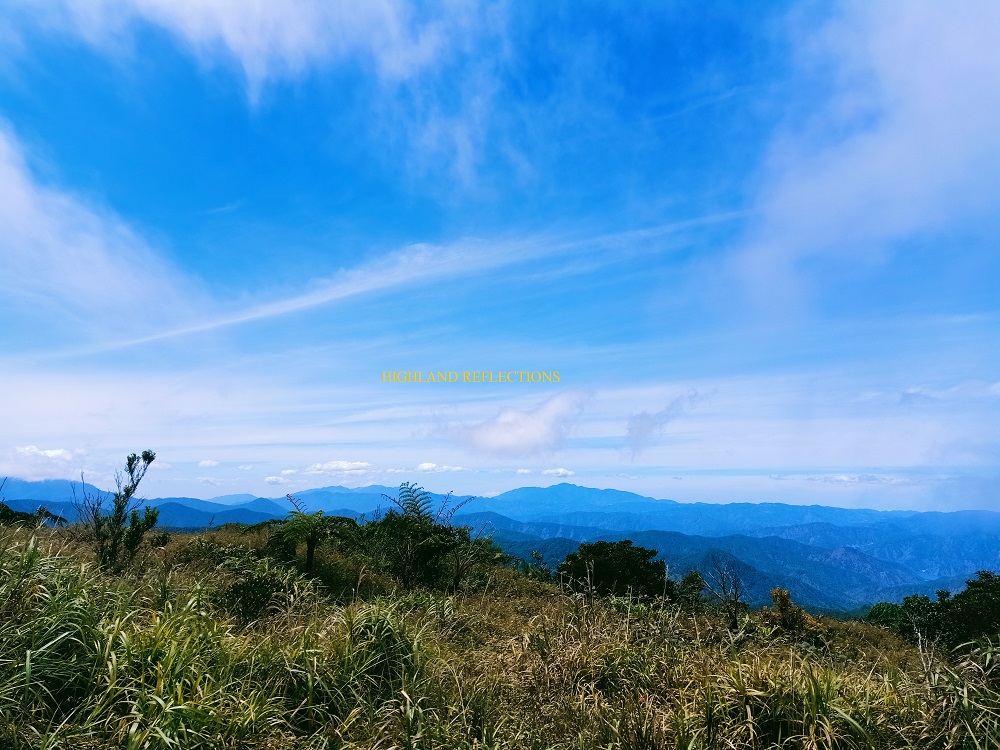
We, then, entered the realm of the mossy forest. Recalling my first encounter with such a place back in 2018, I reminisced with what beauty Purgatory offered. The flora here was unique and may very well be one of the top-tiers of mossy forests in the country. We reached Mt. Pack’s summit just after thirty minutes, then Mt. Purgatory (the third peak) an hour and a half after. In Purgatory, I spotted Mt. Santo Tomas once more.
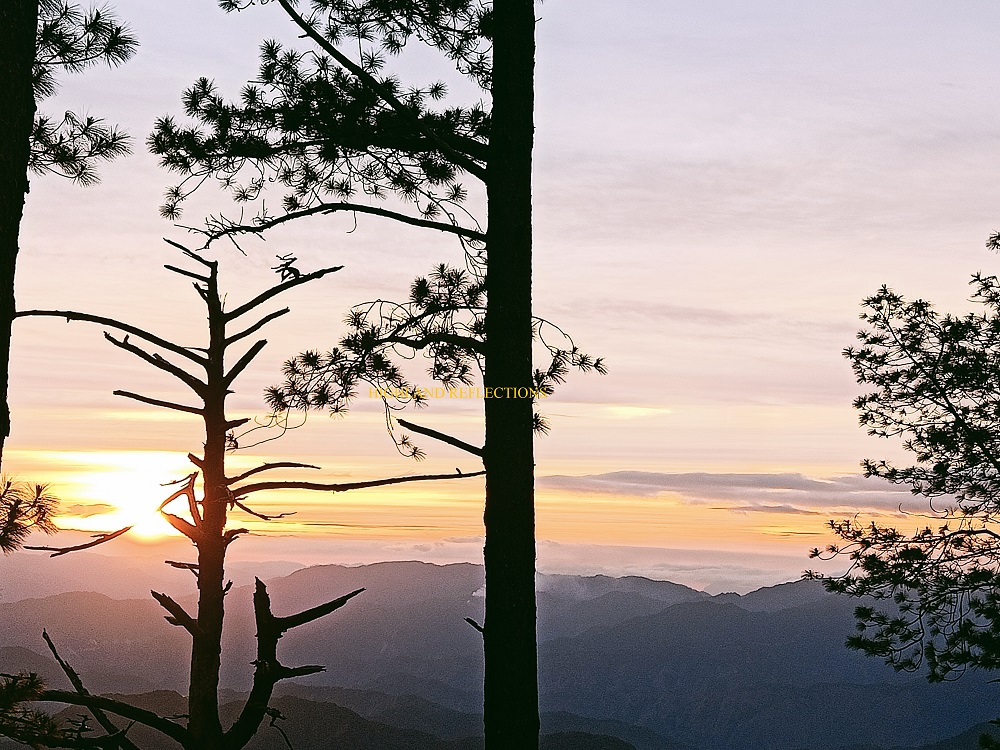
We managed to reach Bakian and Tangbao Village at around 2 in the afternoon. There, we settled at our homestay and took the chance to bathe the dirt away. At 6 in the afternoon, we went to the view deck in Tangbao to watch the majestic sunset.
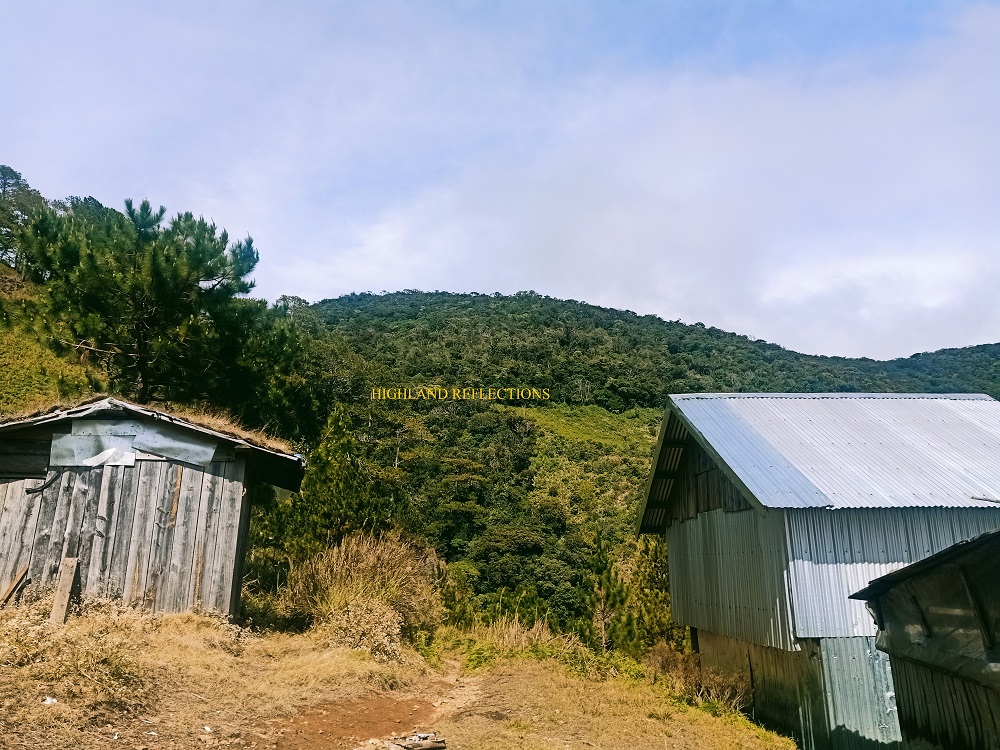
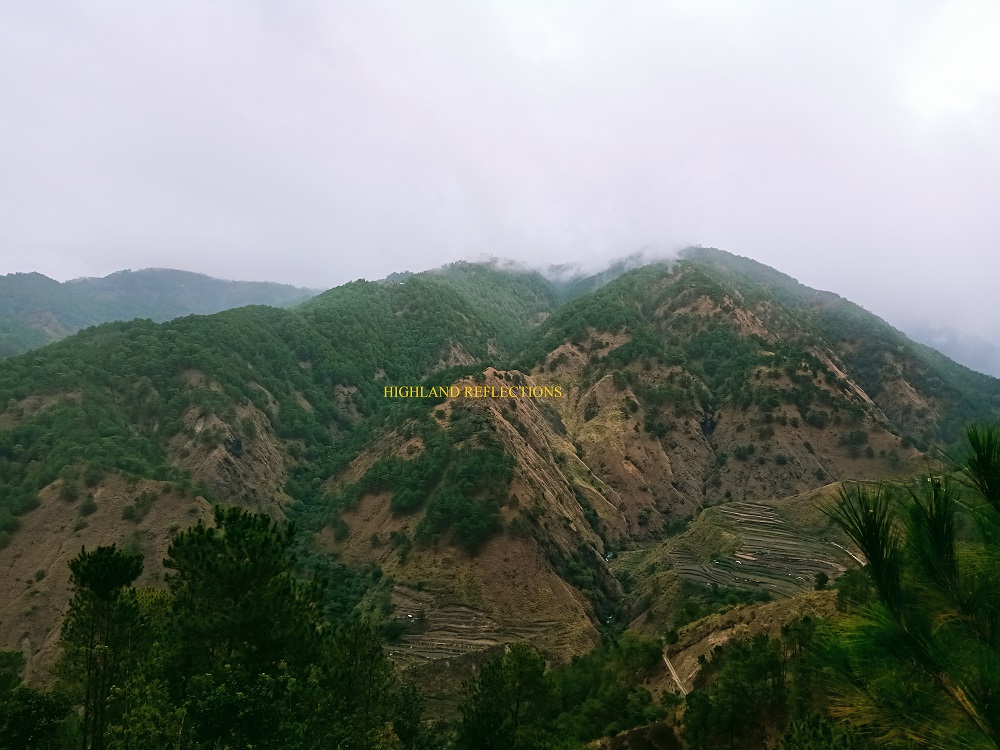
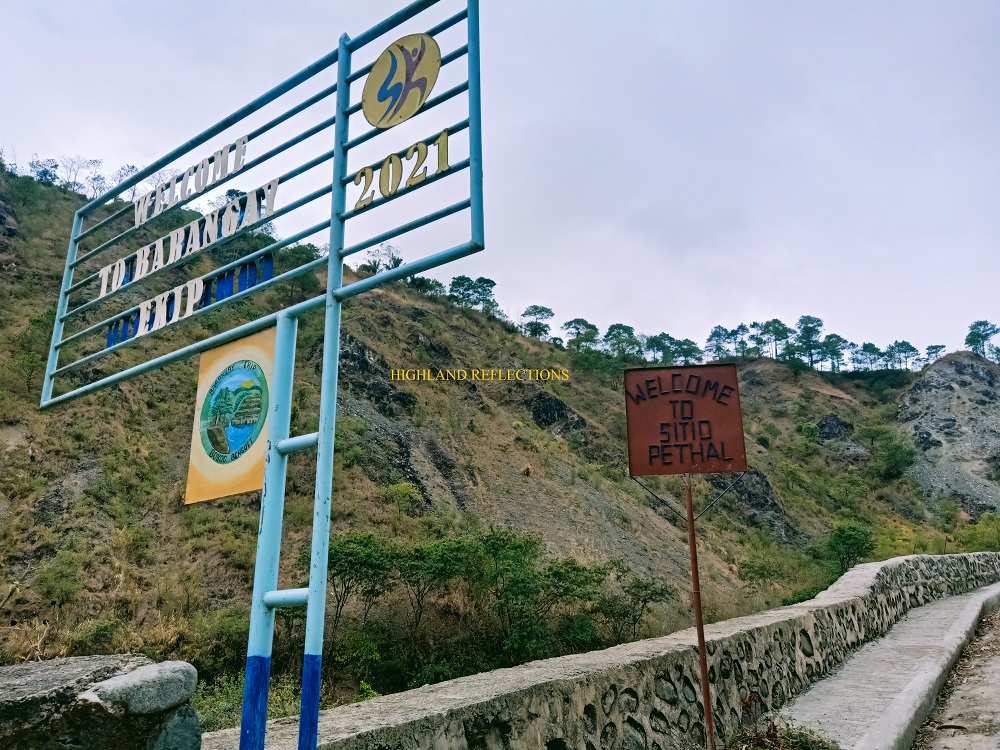
On Day 2, we decided to forego Mt. Komkompol since (1) we’ve already been there, and (2) it was foggy. Back in 2018, the entire descent took us more than three painful hours, which ended in renting a jeep to take us to Bokod Municipal Hall as most of our knees were crying out in pain. For this hike, however, it took me only 2 hours to reach the end point in Pethal. During the descent, we had a commanding view of Mt. Palansa in front of us. This mountain is where the road going to Babadak Ranger Station in Mt. Pulag is carved.
We concluded the 2-day hike with a sumptuous dinner at Good Taste in Baguio!

 Highland Reflections: Kaisipan, Karanasan, at Kamalayan